MOFA Translation vs MOJ Translation: What's the Difference?
If you’ve searched for “MOFA translation” or “MOJ translation” while trying to work out what your document actually needs, you’re not alone, and the confusion is understandable. Both terms get used loosely online to describe pieces of the same overall UAE attestation journey.
Neither is an official, named service on its own. The Ministry of Justice and the Ministry of Foreign Affairs are two different government authorities with two different jobs, and once you separate what each one actually does, the terminology stops being confusing.
MOJ Licenses the Translator; MOFA Attests the Document
The Ministry of Justice’s role sits with the translator, not the document. Under Federal Decree-Law No. 22 of 2022 Regulating the Translation Profession, the MOJ registers and licenses “Legal Translators” in the UAE, and only translations produced by one of these MOJ-licensed translators are generally accepted by UAE courts and government departments as certified, legal translation.
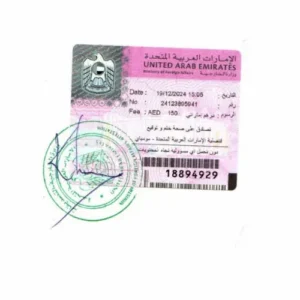
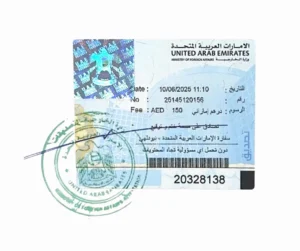
The Ministry of Foreign Affairs’ role starts once that translated document, or in many cases the original document alongside its translation, needs to be recognized outside the process that created it. MOFA attests the document so a bank, embassy, court, or foreign authority can trust that it’s genuine.
Put simply: MOJ answers the question “is this translator allowed to produce a translation that counts?” MOFA answers a completely different question, “is this document authentic, and can it be relied on outside the context it was issued in?”
Where the “MOFA Translation” / “MOJ Translation” Confusion Comes From
Both phrases get used as shorthand because both letters sit inside the same overall attestation journey most people are trying to complete in one go: get a document translated and attested so it’s accepted somewhere else. Neither ministry markets a product literally called “MOFA translation” or “MOJ translation.”
When someone says “MOFA translation,” they usually mean a translation for a document that’s headed to MOFA for attestation, which is exactly the distinction covered in our legal vs. certified translation guide. When someone says “MOJ translation,” they usually mean a translation produced by an MOJ-licensed legal translator, as opposed to an uncertified or foreign-certified translation that UAE authorities won’t accept as-is.
The mix-up matters in practice, not just in wording. Our related post on the common mistakes that get MOFA translations rejected covers what actually goes wrong when the terminology confusion leads to the wrong translator being used in the first place.
Where Each Authority’s Role Starts and Ends
MOJ’s involvement is about licensing and oversight of the profession: registering who is authorized to produce translations UAE authorities will accept, and standing behind that translator’s stamp and license reference. Once a licensed translator has done their job, MOJ’s role on that specific document is essentially finished.
MOFA’s involvement sits later in the chain, and is about the document itself: notarization or source-country verification, any prerequisite attestation such as the Ministry of Education for academic documents, certified translation where required, MOFA attestation, and, if the document is headed abroad, embassy or consulate legalisation on top.
In most real cases you need both: an MOJ-licensed translator to produce a translation authorities will actually accept, and MOFA to attest the document so it carries weight outside the context it was issued in. Treating MOJ and MOFA as competing options, rather than sequential steps handled by two different authorities, is the root of most of the confusion — see our guide on legal vs. certified translation for the fuller picture.
PEOPLE TRUST
We Are Best


Approved by Ministry of Justice

24x7 Hours Customer Support

Free Pickup &
Delivery

How to Get Started
Not sure whether your specific document needs an MOJ-licensed translator, MOFA attestation, or both? Talk to Dunes about MOFA attestation, or contact us and we’ll tell you exactly what applies to your case.
Is "MOFA translation" an official government service?
No. MOFA does not provide translation, it attests documents. “MOFA translation” is just shorthand people use for a translation needed on the way to MOFA attestation.
Is "MOJ translation" the same thing as a certified translation?
Broadly yes, if it is produced by an MOJ-licensed legal translator. See our legal vs. certified translation guide for the exact distinction UAE authorities apply.
Do I need both MOJ and MOFA involved for the same document?
Often, yes. You typically need a translation from an MOJ-licensed translator, and separately, MOFA attestation of the underlying document. They are two different steps handled by two different authorities, not alternatives to each other.
How do I know if my translator is actually MOJ-licensed?
Ask the translator directly for their MOJ registration or license reference before you proceed. A genuinely licensed legal translator will have one and should be able to provide it.